History
Amsterdam Tobacco History: From the Golden Age to Today
Amsterdam became one of Europe's great tobacco markets in the 17th century, trading, blending and re-exporting leaf, and later auctioned Sumatra wrapper for the world.
Updated · Cigars Amsterdam Editorial Team
Visit P.G.C. Hajenius →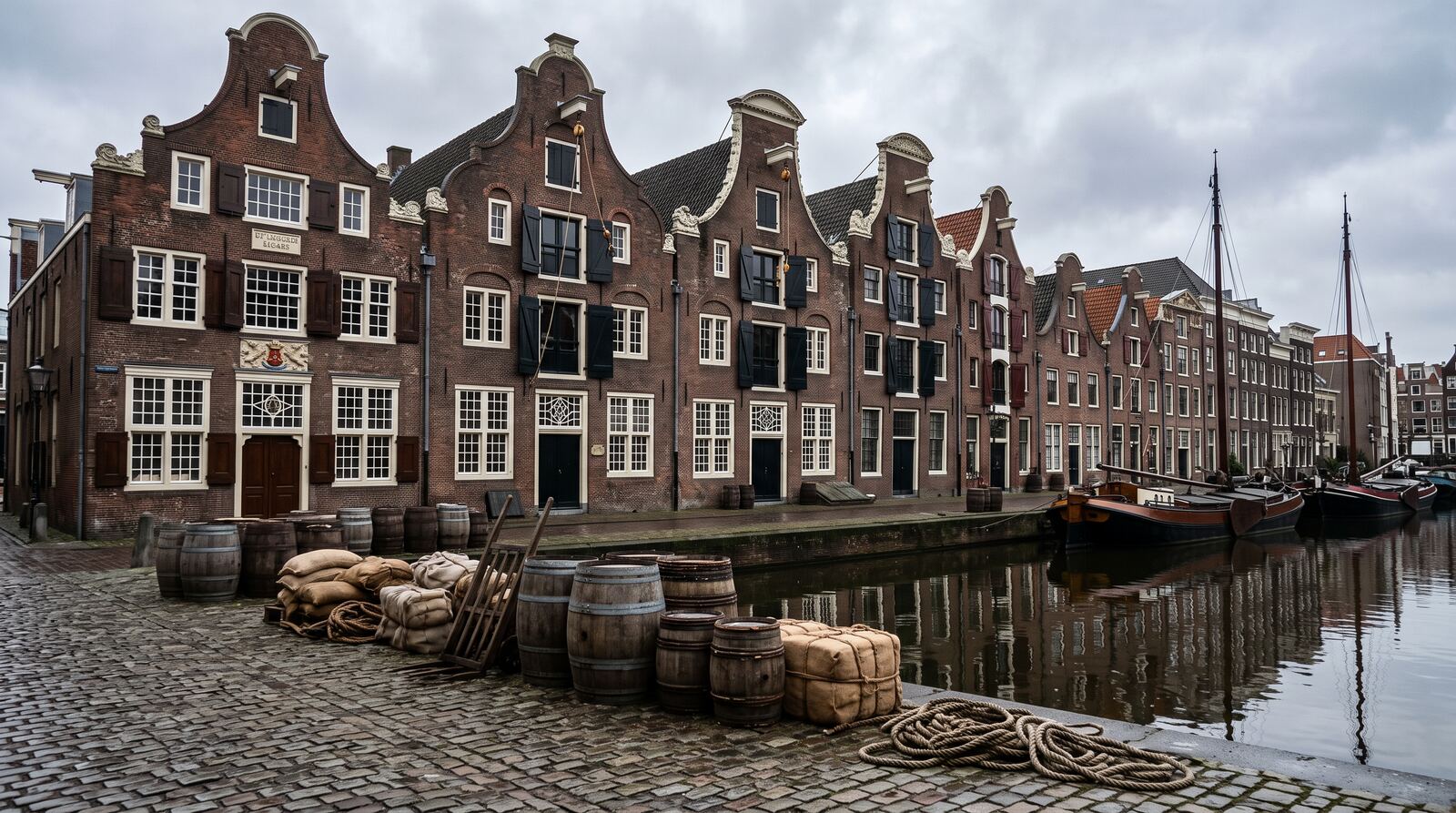
Long before it was known for coffeeshops, Amsterdam was a city of tobacco. During the Dutch Golden Age its merchants made it one of Europe's leading tobacco markets, and its trade networks helped create the Indonesian tobacco industry that later supplied the world's cigar wrappers.
Amsterdam Tobacco Timeline
| Period | Event |
|---|---|
| 1600s | Amsterdam becomes a major European tobacco market during the Golden Age |
| 1600s–1700s | Dutch East India Company (VOC) trade links the Netherlands with Java and Sumatra |
| 1794 | Justus van Maurik cigar brand founded in Amsterdam |
| 1826 | P.G.C. Hajenius begins its cigar business in Amsterdam |
| 1860s onward | Sumatra wrapper from Deli is auctioned in Amsterdam and Rotterdam |
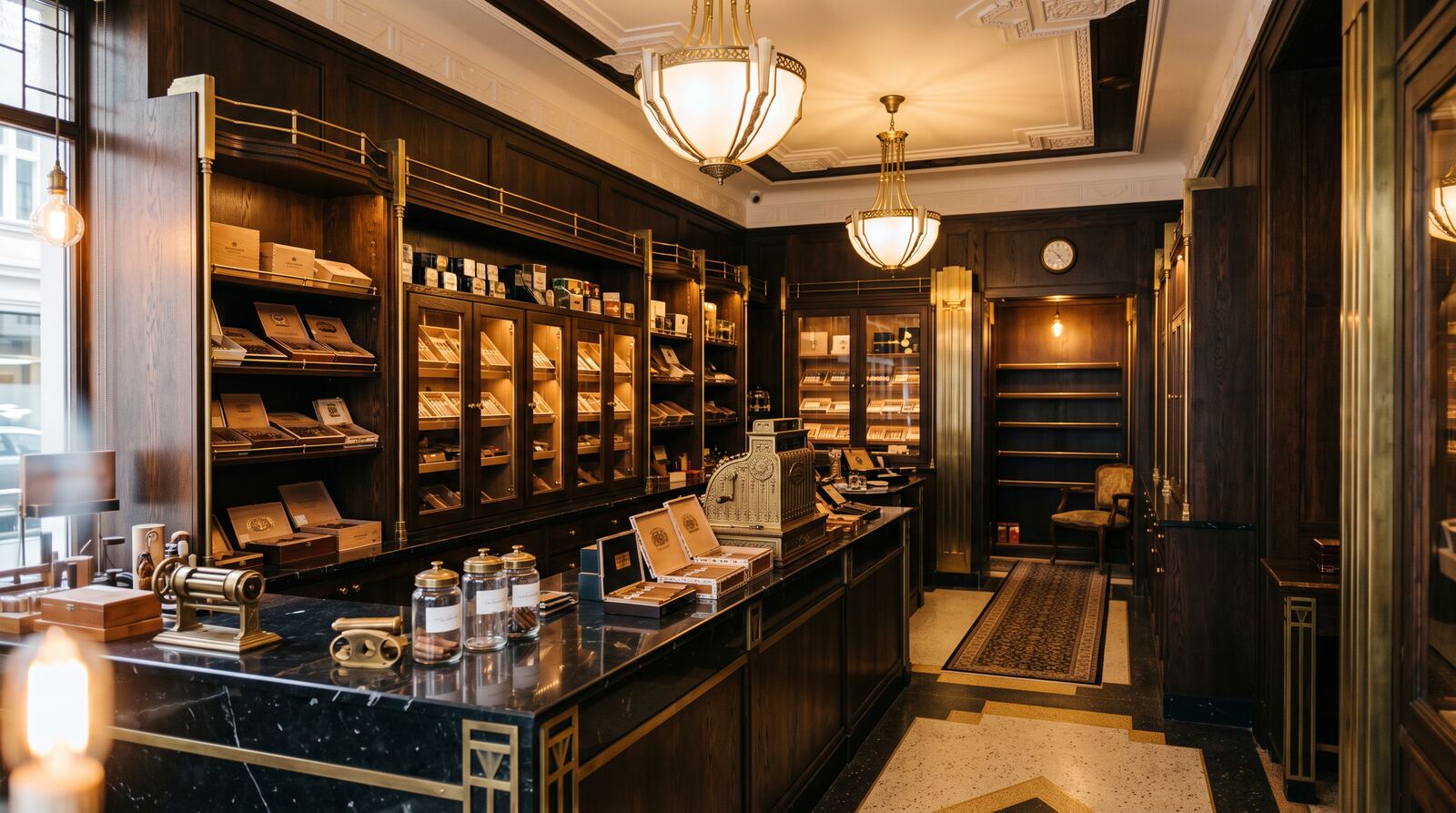
| 1914 | Hajenius opens its Art Deco shop on the Rokin |
| 2008–2023 | Smoking ban in hospitality, ban on smoking rooms, online sales ban |
Quick answer: Amsterdam has been a tobacco city since the 1600s, when it traded and processed leaf for much of Europe. Later it auctioned Sumatra wrapper tobacco and was home to the oldest Dutch cigar brand, Justus van Maurik, and the famous tobacconist Hajenius.
The Golden Age Tobacco Market
In the 17th century, Amsterdam's port handled goods from around the world. Tobacco arrived from the Americas and elsewhere, was sorted, blended and processed in the city, and was shipped on to markets across Northern Europe. The canal-side warehouses that still line Amsterdam's waterways stored goods like these.
The VOC and Indonesian Tobacco
The Dutch East India Company (VOC) connected the Netherlands with Java and Sumatra. In the 19th century, Dutch planters developed tobacco plantations there, and from the 1860s the Deli region of Sumatra produced wrapper leaf prized for its thinness and even burn. Bales were shipped to the Netherlands and sold at auction to cigar makers from Europe and America. Learn more on our sister site about Dutch cigar history.
Amsterdam's Cigar Makers and Shops
Justus van Maurik, founded in Amsterdam in 1794, is often described as the oldest Dutch cigar brand. In 1826, P.G.C. Hajenius started selling premium cigars made under his own name from East Indies tobacco; read our guide to P.G.C. Hajenius. While much Dutch cigar manufacturing later concentrated in the south of the country, Amsterdam remained a center of trade and retail.
The Modern Era
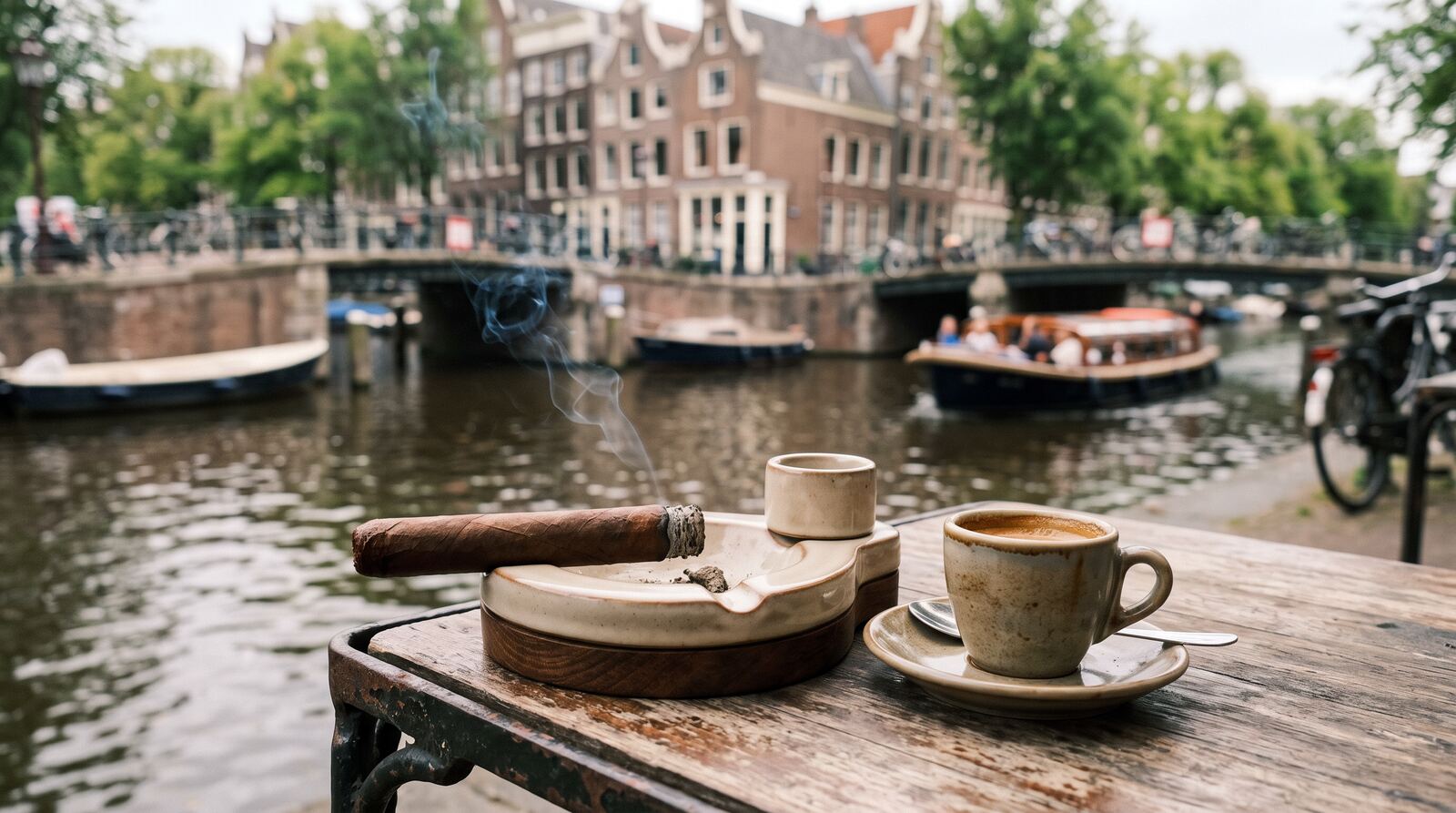
Since 2008, the Netherlands has steadily restricted smoking and tobacco sales: a hospitality smoking ban, the end of smoking rooms in 2019, display bans, an online sales ban from 2023 and a supermarket sales ban from 2024. See smoking rules in Amsterdam and buying cigars in Amsterdam.
Tobacco and the City's Wealth
Tobacco was one of many commodities that made Amsterdam rich, alongside spices, grain, textiles and coffee. Processing leaf — sorting, spinning, cutting and blending — employed many workers, and Dutch-processed tobacco carried a reputation for quality. That expertise in blending different tobaccos helped shape the later Dutch cigar style, which mixes leaf from many origins.
Seeing the History Today
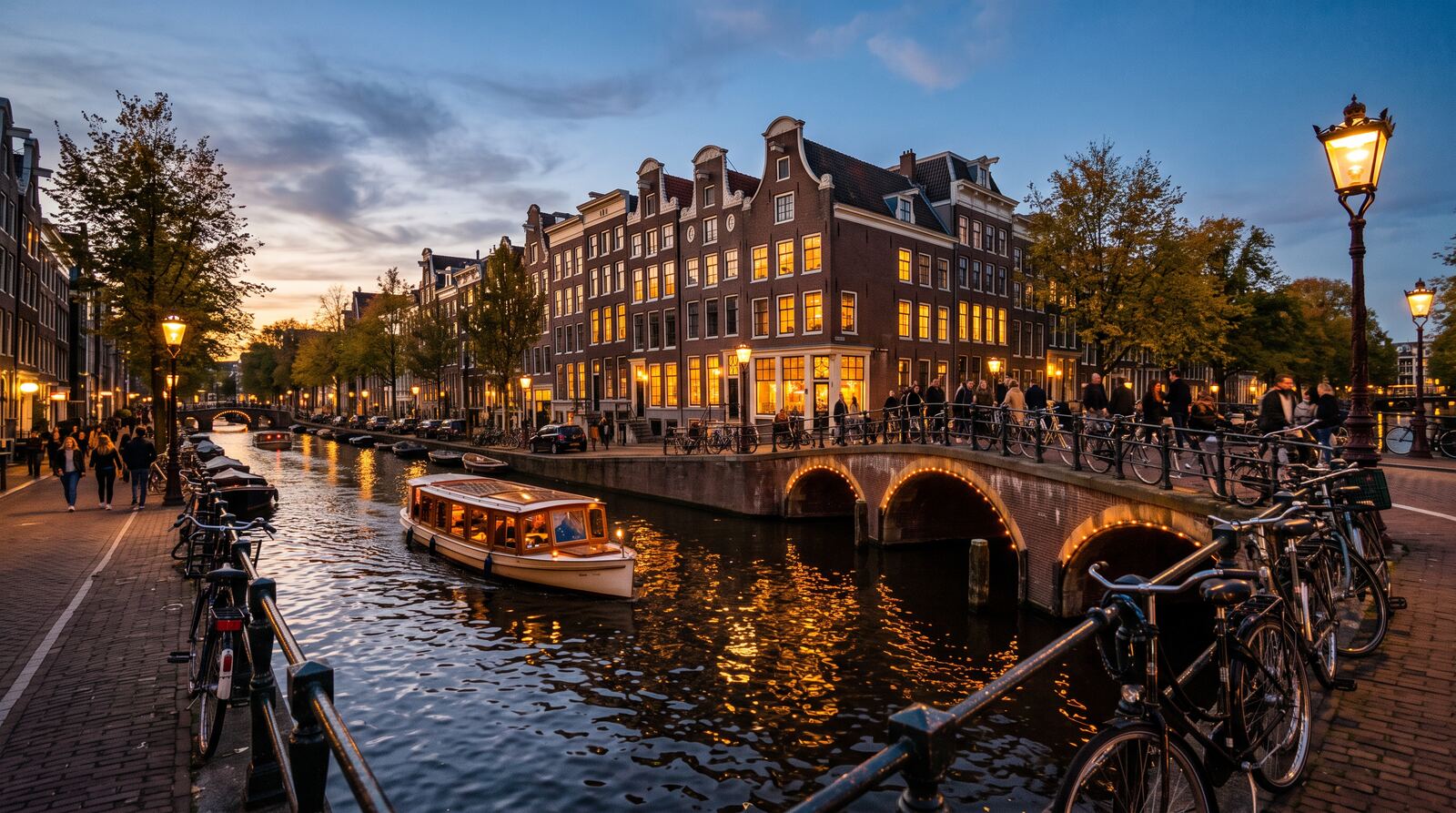
Walk the canal ring to see the merchant houses and warehouses of the Golden Age, then visit the historic shop on the Rokin. Outside Amsterdam, the town of Valkenswaard has a museum covering cigar making.
Frequently Asked Questions
Why was Amsterdam important for tobacco?
In the 17th century Amsterdam was one of Europe's major tobacco markets, processing and re-exporting leaf across Northern Europe.
What is the oldest cigar brand from Amsterdam?
Justus van Maurik, founded in Amsterdam in 1794, is often called the oldest Dutch cigar brand.
What was the VOC's link to tobacco?
The Dutch East India Company connected the Netherlands with Java and Sumatra, where Dutch planters later grew tobacco.
Where was Sumatra tobacco sold?
Sumatra wrapper tobacco was sold at auction in Amsterdam and Rotterdam to cigar makers from Europe and America.
When did Hajenius open on the Rokin?
P.G.C. Hajenius moved into its Art Deco building on the Rokin in 1914.